High-tech cryogenic equipment and valves are used for generating, operating, storing and transporting cooled media at extremely low temperatures. Proper thermal insulation maintains sub-zero temperatures and protects the environment from the hazardous effects of cryogenic media. Cryogenic units create a stable low-temperature environment and protect the insulating layer. The instruments, units and components are used in the medical, space, and oil-refining industries, as well as in the manufacture of refrigeration systems.
Features
Cryogenic equipment operates by liquefying and separating air into its components through compression, passage through heat exchangers and an expansion turbine (expander). As a result, gases are transformed into liquids. Large-capacity and small-capacity units are designed to create and maintain low temperatures and vacuum.
For storage and transportation of liquefied products, cryogenic cylinders, special vessels and tanks are used.
To convert the liquefied state back into a gaseous one, vaporizers are used. The most cost-effective type is the atmospheric vaporizer.
Valve elements are manufactured in the following types: safety, shut-off and control, and check valves.
Production
You can buy cryogenic equipment at manufacturer prices in Russia by contacting RusGazCryo LLC. The engineering and manufacturing company sells, installs, designs and provides service maintenance for this equipment and is the official representative of the cryogenic equipment plant Hangzhou Oxygen Plant Group.
The RusGazCryo website offers a range of cryogenic equipment including:
- hydrogen, helium and oxygen equipment;
- air separation units;
- vessels, pipelines and valve elements;
- atmospheric vaporizers and turboexpanders.
Cryogenic equipment for oxygen, hydrogen and helium is tested after assembly, with prior testing of each individual component. Product quality is ensured by multi-stage quality control and the availability of certificates of conformity to regulatory standards.
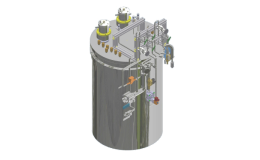 Cryogenic Hydrogen Equipment
 Cryogenic Helium Equipment
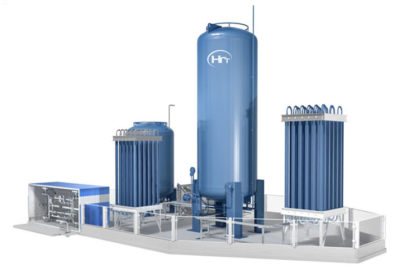 Air Separation Plants
 Cryogenic Tanks
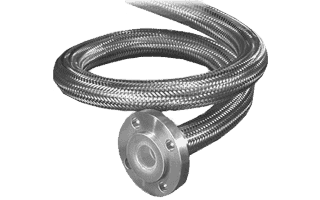 Cryogenic Pipelines
 Cryogenic Valves from DN 100 and PN 25
 Atmospheric Vaporizers
 Nitrogen Regulating Point Cabinet Type
 Oxygen Regulating Distribution Point
 Oxygen Valves Made of Stainless Steel
 Cryogenic Pumps
 Spherical Tanks
 Turboexpanders


